Water shapes life in Sandpoint. It hydrates, cooks, waters gardens, and supports an entire small-business economy built around lakeside living. But clear water at the tap does not always equal healthy water in the glass. Sediment, mineral buildup, old piping, seasonal changes in source quality, and treatment gaps inside the home can all change what residents actually drink. Believe Plumbing approaches water quality the way a good doctor approaches a patient: diagnose first, then treat with targeted interventions, and follow up to make sure the solution lasts.
What follows is an experienced look at how Believe Plumbing assesses problems, chooses interventions, and balances cost, permanence, and homeowner priorities. I write from years on residential jobs in similar mountain-lake communities, where wells meet municipal supplies and old homes meet modern expectations. Expect concrete examples, typical costs framed as ranges, the trade-offs of common fixes, and guidance on when to call a plumber in Sandpoint ID.
Why water quality issues often begin in the home
Municipal supplies and private wells both have strengths and weaknesses. Municipal systems usually provide treated water that meets regulatory standards at the plant, but water travels through miles of distribution pipe and sometimes through corroded household plumbing before it reaches a kitchen sink. Private wells can vary with seasonal recharge, nearby nitrates, iron bacteria, or elevated hardness. Either way, problems at the tap often come from a mix of source issues and household plumbing.
I remember a 1930s bungalow near downtown Sandpoint where the homeowner complained of a metallic taste. The municipal supply tested fine. What we found was galvanized piping in the walls, decades of corrosion releasing iron and traces of lead into the water after the city upgraded its treatment chemicals. Replacing a few segments of pipe and installing a point-of-entry filter cut the taste immediately and reduced particulate staining in the laundry.
How Believe Plumbing approaches diagnosis
Believe Plumbing treats diagnosis as the most important phase. A shop visit that replaces a fixture or installs a cheap under-sink filter without testing is often a wasted opportunity. The company typically follows a three-step diagnostic sequence that I have seen work repeatedly in Sandpoint homes.
First, they take a history. How long has the problem existed? Is it only hot water? Is it only at one faucet? Did the color or odor change seasonally? These questions narrow the likely sources. Second, they perform a visual and physical inspection of exposed piping, the water heater, pressure regulator, and fixtures. Corroded fittings, backflow preventers, or visible sediment in the water heater tell stories. Third, they collect water samples for basic lab analysis when needed, measuring turbidity, hardness, iron, manganese, pH, and common bacteria indicators.
That last step is important. A single test can reveal whether the issue is particulate, mineral-related, or microbiological. For instance, a home I worked on outside of Car
Penter Creek had water that looked fine but smelled faintly musty. Lab work showed volatile organic compounds at trace levels likely from nearby agricultural runoff. The solution required a whole-house carbon filtration stage plus advising the homeowner on well-head protection. Plumbing company Without testing, we might have misdiagnosed the odor as a simple plumbing problem.

Common fixes and how Believe Plumbing chooses them
Some water problems are straightforward to fix. Others have trade-offs between upfront cost and ongoing maintenance. Believe Plumbing recommends solutions based on the diagnosis, the homeowner’s budget, and lifestyle. Below are the common interventions they use, with notes on when each makes sense.
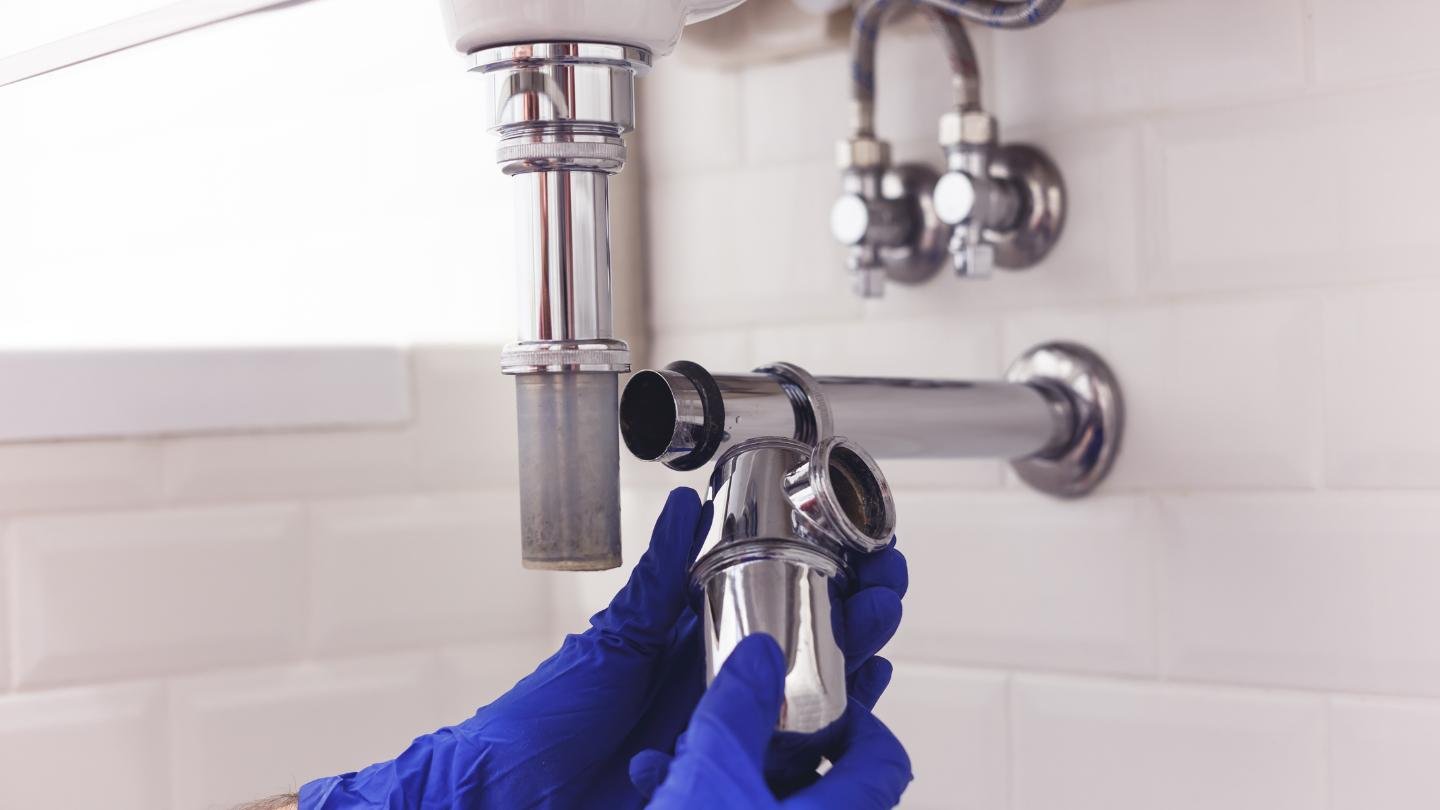
Point-of-entry filtration and softening: When hardness, iron, or high sediment affect all fixtures, a whole-house system is the most effective. A water softener reduces scale that shortens boiler and water heater life, and iron filters prevent brown staining. Expect to consider salt-based softeners for persistent hardness, or salt-free conditioners when low-maintenance is preferred. Install costs often range from modest to several thousand dollars depending on capacity and features. Maintenance involves either periodic salt refills or cartridge changes.
Targeted point-of-use filters: For homeowners worried about taste, VOCs, or lead at a single faucet, under-sink carbon filters or reverse osmosis units work well. These are cheaper and quicker to install but do not protect showers or laundry. Reverse osmosis systems can remove a wide range of contaminants but produce wastewater and require cartridge replacement roughly every 6 to 12 months.
Plumbing replacement and repiping: Old galvanized pipes, polybutylene, or lead solder are direct sources of contamination. Replacing sections of piping or repiping the home with copper or PEX is a one-time solution that often pays for itself in lowered maintenance and improved water quality. Repiping is disruptive and more expensive than filters, but it removes the source rather than masking symptoms.
Water heater service and upgrades: Sediment builds up in tanks, affecting water quality and efficiency. Flushing a water heater annually and replacing sacrificial anode rods can restore performance. In some homes, switching to a tankless water heater reduces standing water time and limits warm-water bacterial growth risks in poorly used fixtures.
Cross-connection control and backflow prevention: Agricultural properties or homes with chemical sprayers sometimes have cross-connection risks. Believe Plumbing inspects existing backflow preventers and installs or replaces them to protect municipal supplies and household taps. These devices sometimes require annual testing, so the team explains compliance and scheduling.
A short checklist for homeowners before you call a plumber
- note whether the issue is at one faucet or throughout the house, whether it affects hot water only, and whether it changes with seasons check visible pipes for corrosion, leaks, or stains around fittings and appliances collect a small sample of clear tap water in a clean bottle to show a technician, noting odor, color changes, and times of day when the problem is worse make a list of recent work on the house or nearby that might have affected water lines, such as road work, well repairs, or landscaping be prepared to book a diagnostic visit that includes basic water testing if the issue affects multiple fixtures
How Believe Plumbing balances cost, performance, and maintenance
One conversation I repeat often when recommending filtration or softening is this: do you want a long-term fix that needs periodic maintenance, or a lower-maintenance bandage? A salt-based softener is great at preventing scale and improving soap performance, but it adds a recurring task of adding salt and a small ongoing cost. A salt-free conditioner reduces scale without the maintenance but does not remove dissolved iron or lower hardness to the same degree.
Reverse osmosis at the kitchen sink produces very pure water, ideal for drinking and cooking, but it wastes a portion of treated water and requires cartridge changes and occasional membrane replacement. For households on tight water budgets or older wells where recharge is slow, a whole-house RO system may not make sense.
Believe Plumbing walks homeowners through these trade-offs. They provide ballpark numbers. For a typical Sandpoint single-family home, a whole-house softener and iron filter installation can run from a few thousand dollars to over six thousand, depending on system size and complexity. An under-sink RO unit is often between $400 and $1,500 installed. Repiping an older 1,200 to 2,000 square foot home generally falls in the mid-four-figure to low-five-figure range. These are ranges, not quotes, because each property requires its own assessment.
Addressing seasonal and geographic quirks in Sandpoint
Sandpoint sits at the intersection of lake influence, mountain runoff, and both municipal and well supplies. That creates certain predictable quirks. Spring pulses in groundwater can bring elevated turbidity and iron from disturbed soils. Warmer summer temperatures can increase organic load that affects taste. On the municipal side, treatment changes upstream can alter chlorine residuals, which sometimes increase corrosion in older household piping.
In shallow wells near agricultural fields, nitrate spikes can occur seasonally. In those cases, a point-of-entry nitrate removal system or a well remediation plan becomes part of the long-term solution. For lake-adjacent homes, Believe Plumbing sometimes coordinates with well drillers or environmental consultants when contamination risks fall outside the company’s scope.
When bacteria show up
Detection of coliform or E. Coli in water tests triggers immediate action. Believe Plumbing does not attempt to treat bacterial issues with filtration alone. The standard approach starts with shock chlorination of private wells, followed by retesting. If contamination persists, the company recommends extended mitigation such as new well casing, wellhead repairs, or connection to municipal supply where available and practical.
If municipal water tests show bacteria at the point of use but not in distribution testing, the likely culprit is the household plumbing or water heater. In those situations, a combination of flushing, disinfection, and targeted replacement of problematic components resolves most cases.
What to expect during a diagnostic visit by a plumber in Sandpoint
A diagnostic visit from Believe Plumbing feels professional but not clinical. Technicians arrive with calibrated test kits and experience examining both visible infrastructure and subtle clues like rusty stains or soft water soap behavior. They look at pressures, check for backflow devices, inspect the water heater, and assess the age and material of household piping.
If lab testing is warranted, they collect samples and explain which parameters matter for the homeowner’s concerns. Results that involve public health risks are communicated promptly, along with recommended next steps and estimated timelines.
Why choosing a local plumber company in Sandpoint matters
Local experience matters in plumbing. A company that understands how regional water changes with season and geography can anticipate issues that a general contractor might miss. Believe Plumbing operates with that regional knowledge. They know which neighborhoods have older galvanized systems, which properties historically struggle with iron, and which areas face intermittent pressure issues during seasonal demand spikes.
Beyond technical know-how, local companies build relationships with vendors and labs that serve the area, providing faster parts availability and quicker sample turnaround. Local technicians also tend to be familiar with municipal requirements for backflow prevention testing and can help homeowners navigate local code when upgrades trigger permits.
Customer stories that illustrate impact
A family on the south side of Sandpoint hired Believe Plumbing after constant brown water in the washing machine stained clothing. The diagnosis was iron fouling in the water heater and undersized sediment filters at the meter. The team installed a higher-capacity sediment prefilter, replaced the water heater anode, and fitted an iron-specific media filter at the point of entry. Laundry staining dropped to zero and the homeowner noted a measurable decrease in soap usage, an everyday saving that offset part of the installation cost.
Another client with a newer home experienced intermittent metallic taste and staining in the bathroom sink only. Believe Plumbing found a poorly soldered copper joint with leaded solder near the fixture that only released contaminants when water sat overnight. Replacing the short run of piping and adding a point-of-use carbon filter fixed the taste immediately. The homeowner appreciated that the solution was surgical, not wholesale.
Maintenance and follow-up
Improved water quality does not end at installation. Filters need cartridge replacement, softeners need salt, RO membranes need periodic service, and backflow preventers require annual testing in many jurisdictions. Believe Plumbing schedules follow-ups and provides clear service plans. They also offer maintenance reminders and can bundle annual checks into a predictable cost.
Homeowners should expect a follow-up water test within three to six months when significant installations are made, to confirm the system achieves the promised contaminant reductions. This is standard practice for responsible plumbing companies and helps catch installation issues early.
When a problem is out of scope
Some water quality issues require specialists beyond plumbing. Groundwater contamination that affects multiple wells, or VOCs from industrial sources, can demand environmental remediation and coordination with health departments. Believe Plumbing will identify such cases and refer homeowners to appropriate professionals while providing supportive plumbing solutions like interim filtration and wellhead protection.
How to choose a plumber Sandpoint homeowners can trust
Pick a company that shows diagnostic rigor, provides written estimates with component breakdowns, and explains https://www.google.com/maps/place/?q=place_id:ChIJvdASagnp9ykRUfgSt2KB6kM ongoing maintenance. Ask for local references, verify licensing and insurance, and look for technicians who can explain trade-offs without pressuring you into the most expensive option. Believe Plumbing tends to score well on these criteria because they document tests, supply before-and-after data when possible, and provide clear maintenance schedules.
A final practical checklist before a service appointment
- gather recent water bills and any municipal notices about treatment changes or boil-water advisories note whether the issue is only in hot or cold water and whether it affects all faucets turn off any whole-house cartridge filters before a technician arrives if you suspect a clog or reduced flow tally household priorities: lowest maintenance, lowest upfront cost, or most permanent fix ask the plumber for a simple written plan that includes expected maintenance intervals and cost ranges
Choosing to improve water quality is both a health decision and an investment in your home. Believe Plumbing approaches those decisions with local knowledge, diagnostic care, and practical advice that respects budgets and long-term goals. Whether you need an inspection from a plumber in Sandpoint ID, a targeted point-of-use system, or a full repipe, a careful diagnosis and clear trade-off discussion will deliver better water and fewer surprises down the line. If you want water that tastes clean, protects appliances, and reduces staining and corrosion, start with testing, then invest in the interventions that address the root cause rather than masking symptoms. Believe Plumbing is one of the local options that brings that disciplined approach to Plumbing in Sandpoint Idaho.
Believe Plumbing
819 US-2, Sandpoint, ID 83864
+1 (208) 690-4948
[email protected]
Website: https://callbelieveplumbing.com/